Things to Do in Gabon in September
September weather, activities, events & insider tips
Low Season · Budget Friendly
September Weather in Gabon
Long-run averages for September in Libreville
81°F (27°C)
High Temp
73°F (23°C)
Low Temp
4.1 inches (104 mm)
Rainfall
84%
Humidity
12
Sunny-Day UV
⚠ Malaria is everywhere. Libreville included. September rains swell mosquito numbers. Prophylaxis is mandatory. DEET is mandatory. Long sleeves after dark are mandatory. These are not suggestions.
⚠ Afternoon storms intensify through September. Wet season approaches. Thirty to sixty minutes of heavy rain is typical. Unpaved roads suffer. Park access routes turn slippery. Some become impassable. Morning departures are essential. Plan accordingly.
⚠ Interior roads degrade fast. Lopé and Ivindo access routes suffer most. Late September moisture softens everything. Paved highways are the exception. Four-wheel drive is mandatory elsewhere. Secondary routes may close by month's end. Rainfall patterns decide. Prepare for the worst.
Making the most of September in Gabon? Browse tours and activities in Gabon on GetYourGuide.
Is September Right for You?
Weigh the advantages and considerations before booking
Advantages
- + September marks the final weeks of Gabon's dry season. Roads into Lopé and Loango national parks remain passable. Wildlife clusters around shrinking water sources. You get prime animal sightings before October's deluge. Rainfall in Libreville hits roughly 4.1 inches (104 mm). That's a fraction of October's dump. You're securing the last reliable dry-season window. Most travelers haven't thought to come yet.
- + Humpback whales linger off Gabon's coast through September. This is the season's final stretch. Sightings typically run July through early October. Waters near Mayumba and the Loango coastline deliver views from shore and boat. Calves born earlier now swim beside their mothers. By mid-October the pods migrate south. The window closes.
- + September brings atanga season to Gabon. Try a grilled safou. The smoky, buttery, almost avocado-like fruit appears at every roadside stand and marché in Libreville. Time your visit around this. Vendors grill the dark purple fruit over charcoal until the skin blisters. The flesh turns creamy. They serve it alongside bâtons de manioc, still warm from banana-leaf wrapping. It's a seasonal marker. Cherry blossoms signal spring in Japan. Atanga shifts Gabonese life.
- + Gabon draws a tiny fraction of East and Southern Africa's tourism. September thins numbers further. You won't share forest trails in Lopé with other foreigners. Pointe Denis beach sits a short boat ride across the Komo estuary from Libreville. You'll likely find stretches of white sand with no one else in sight. This near-solitude matters for wildlife viewing. Fewer people mean quieter approaches. Longer animal encounters result.
Considerations
- − September is when rains stage their comeback. 4.1 inches (104 mm) sounds manageable. November dumps 19.3 inches (490 mm). Showers arrive without warning. Usually mid-afternoon. They turn forest paths to slick clay within an hour. Rural roads that were fine in August might need four-wheel drive by late September. Some remote park lodges start scaling back. The wet season approaches.
- − Gabon ranks among sub-Saharan Africa's most expensive countries. Oil wealth has pushed costs high. Accommodation and meals exceed what East African or Southeast Asian budgets prepare you for. Internal flights between Libreville and parks like Lopé or the south run limited and pricey. No real budget backpacker infrastructure exists. September brings no seasonal discounts. Tourism stays low year-round. Pricing remains flat.
- − Tourism infrastructure outside Libreville stays sparse. English is rarely spoken. French is essential for transport and markets. Outside the capital and select park lodges, accommodation ranges from basic to very basic. Mobile signal drops across large interior sections. Medical facilities outside Libreville are limited. This destination doesn't hold your hand. September's transitional weather adds logistical unpredictability.
Short on time in September? See day trips around Gabon on GetYourGuide.
Best Activities in September
Top things to do during your visit
Humpback Whale Watching off the Loango and Mayumba Coast
September closes Gabon's humpback whale season. Urgency sharpens the experience. Whales have calved and nursed in the warm Gulf of Guinea since July. By late September pods begin shifting south. Boat excursions from Mayumba or along the Loango coastline put you near breaching adults and calves. Calm mornings let you hear the blow from hundreds of metres away. It's a deep, resonant exhale cutting through salt air. Water temperature hovers around 24°C (75°F). Comfortable for snorkeling on calm days. Most operators keep respectful distance. September's lower swells beat deeper dry-season months for smooth boat rides. Slight overcast skies reduce water glare. Book licensed operators through park concessions. Full-day outings combine whale watching with coastal forest walks. You might spot buffalo tracks pressed into beach sand. See current tour options in the booking section below.
Booking Tip: Book three to four weeks ahead through park-affiliated operators. Boat capacity is limited. September is the last reliable month for sightings. Full-day excursions are standard. Confirm operators carry safety equipment. Marine mammal approach permits are required.
Forest Elephant and Wildlife Tracking in Lopé National Park
Lopé is Gabon's flagship park and a UNESCO World Heritage site. September catches it in a sweet spot. The savannas that fringe the dense equatorial forest are still dry enough for vehicle access. Forest elephants, western lowland gorillas, and mandrills move through the mosaic landscape. They concentrate near the Ogooué River corridor. Tracking forest elephants here is nothing like an East African safari. You're on foot. You move through chest-high grass that smells of dry earth and warm chlorophyll. You follow dung trails and broken branches with a guide who reads the forest the way a sailor reads current. Sightings tend to happen in the gallery forest edges at dawn, around 6 AM. The air is still cool at roughly 23°C (73°F). The mist hasn't burned off. Mandrill troops in Lopé are among the largest documented anywhere. They sometimes number over 600 individuals. The sound of a troop moving through the canopy, branches cracking, alarm barks echoing, is something you feel in your chest before you see it. September's relatively dry conditions keep the trails firm underfoot. That situation deteriorates fast once October's rains arrive.
Booking Tip: Arrange visits through the park's official concession lodges. They coordinate guides and vehicle access. Book accommodation and internal flights from Libreville at least four to six weeks ahead. Lodge capacity is small. Flights operate on limited schedules. Walking safaris require a baseline fitness level. You'll cover uneven terrain over 8 to 15 km (5 to 9.3 miles) per outing. Start training early.
Pointe Denis Beach Excursions from Libreville
Pointe Denis sits across the Komo estuary from Libreville. The boat ride takes 20 minutes. It deposits you on a long peninsula of pale sand backed by coconut palms and coastal scrub. In September, the water is warm enough for swimming at around 25°C (77°F). The beach is largely empty on weekdays. The humidity, while persistent at 84%, is tempered by the ocean breeze that picks up by mid-morning. The sand here has a fine, almost powdery texture underfoot. The water is calmer than during the deeper wet season months. Pointe Denis is more than a simple beach day. Mangrove creeks sit behind it. You can arrange pirogue excursions through channels thick with the brackish, vegetal smell of tidal forest. Spot kingfishers. Watch for the occasional monitor lizard draped over a root. Pack your own food and water from Libreville's marchés. Pick up grilled fish from the beachside operators on the peninsula. Plan to return on the last afternoon boat. The afternoon light across the estuary, with Libreville's skyline going gold against the water, is the kind of departure scene that earns its place in a trip.
Booking Tip: Boat transfers run from the port area in Libreville throughout the day. Confirm return schedules in advance. The last boat back is typically mid to late afternoon. Weekend visits draw Libreville residents. Weekdays offer more solitude. Current excursion options are available in the booking section below.
Libreville Market and Food Tours
Libreville's marchés are where Gabon's food culture comes into focus. September is atanga season. It transforms the stalls of Mont-Bouët and Marché de Nkembo into displays of the glossy purple fruit piled in pyramids. You'll find them beside smoked fish, fresh-cut manioc, and baskets of ndolé greens. The smell of Mont-Bouët market is its own sensory event. Woodsmoke from the poisson fumé vendors layers over the sharp, fermented tang of manioc soaking in water. Add the sweetness of ripe papaya. Notice the charcoal-and-butter scent of atanga being grilled on small braziers right at the stall front. This is where you eat poulet nyembwe, Gabon's national dish. Chicken is braised in a thick, rust-coloured palm nut sauce that coats the back of your throat with an earthy richness unlike any other preparation you've had. The texture is somewhere between a Thai curry and a West African groundnut stew. It is distinctly its own thing. September's milder temperatures at 27°C (81°F) make the midday market walk less punishing than it would be in March. The late-afternoon rain showers that start appearing tend to clear the air. They drop the humidity just enough to make the evening quartier restaurants comfortable. There, brochettes sizzle over charcoal grills and cold Régab beer sweats on the table.
Booking Tip: Arrange guided food walks through Libreville-based cultural operators. They pair market visits with cooking context. Morning visits between 7 and 10 AM catch the freshest stock. Vendor activity peaks then. French is essential for engaging with sellers. See the booking widget below for current guided options.
Ivindo National Park and Kongou Falls Expeditions
Ivindo, in Gabon's deep interior, is raw equatorial forest at its most uncompromised. Kongou Falls, the park's centrepiece, is a 3.2 km (2-mile) wide cascade. It splits the Ivindo River into channels divided by forested islands. The sound of the falls carries for over a kilometre through the canopy. It is a low, continuous roar that you hear long before the mist rising off the drop comes into view through the trees. September's moderate water levels, between the skeletal trickle of deep dry season and the thundering floods of November, make Kongou more visually dramatic. The rock formations are partially exposed. The individual cascades are distinct rather than blurred into a single wall of water. The spray creates rainbows in the morning light that the wet-season volume simply drowns out. Getting here requires commitment. You take an internal flight to Makokou followed by a river journey by pirogue. That remoteness is the point. Forest elephants drink at the river's edge at dawn. The birdlife along the Ivindo corridor includes species found nowhere else in Central Africa. The air in the forest is thick and warm. It is laden with moisture and the green, composting smell of the forest floor. The temperature under the canopy rarely tops 26°C (79°F) even at midday.
Booking Tip: This is expedition-level travel. You need advance coordination through Gabon's national parks authority or licensed safari operators with Ivindo access. Plan logistics at least six to eight weeks out. Transport and accommodation are extremely limited. Multi-day itineraries of three to five days are standard. Physical fitness for river travel and forest walking on uneven terrain is assumed.
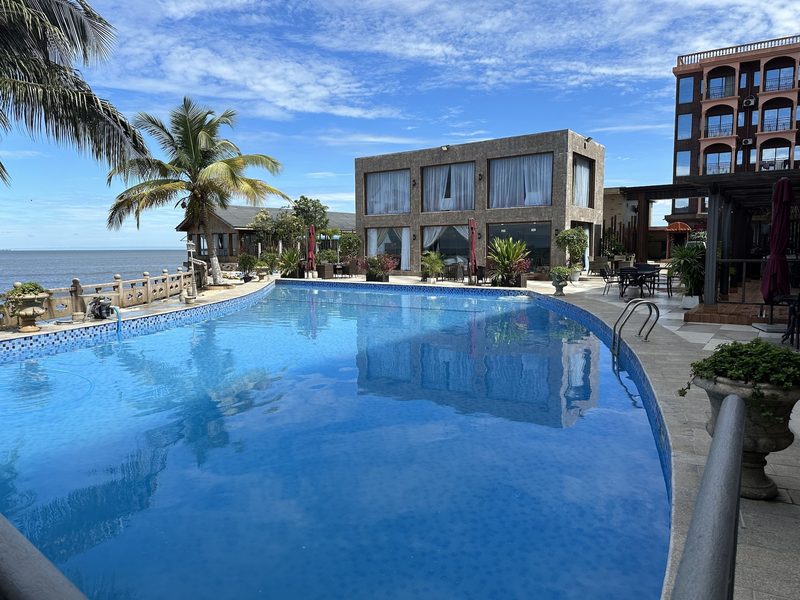
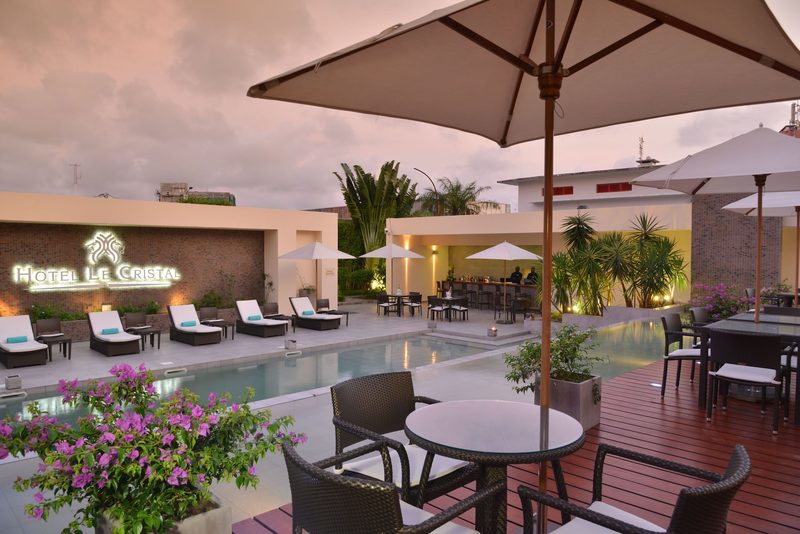
Where to Stay in Gabon in September
Hand-picked hotels across price tiers for September travellers.
Packing Checklist
Bookmark this page — your progress is saved between visits
Need the full list with shopping links?
Climate-specific gear, brand recommendations, and what to leave at home.
View Gabon Packing List →Essential Tips
Insider knowledge and common pitfalls to avoid
Insider Knowledge
September is atanga season in Gabon. The grilled safou fruit sold at market stalls and roadside braziers across Libreville is the single best seasonal food experience the country offers. The fruit looks like a dark eggplant. It tastes like a smoky, buttery cross between avocado and chestnut when grilled over charcoal. Eat it with bâtons de manioc. These are the dense cassava sticks wrapped in leaves. Every Gabonese household does it this way. Look for blistered, blackened skin. It should give slightly when you press it. That's ready. Hard and glossy means it's been sitting too long.
The Gabonese work week shapes everything. Pointe Denis, Libreville's marchés, and most restaurants operate on a rhythm that rewards early risers. Rigid schedules will disappoint you. Most markets hit full activity by 7 AM. They wind down by early afternoon. Restaurant kitchens outside hotels often don't fire up until well after the posted opening time. Government offices and banks keep shorter hours than posted. You might need these for currency exchange. Adjust to local tempo. Don't fight it. Get to markets at dawn. The stock is freshest then. The heat hasn't yet turned the aisles into a sauna.
Libreville taxi negotiations require confidence. You need a working sense of routes. There are no meters. Fares are agreed before you get in. The price a Gabonese resident pays and the price offered to a foreign face are different numbers. Learn neighbourhood names in French. Quartiers like Nombakélé, Glass, Lalala. Know the direction you need. This gives you enough context to push back on inflated quotes. Shared taxis run fixed routes between major points. They are substantially cheaper than private hires. This is how most Libreville residents move around the city.
Heading to Lopé or Loango? Build at least one buffer day into your itinerary on either side of park visits. Internal flights on Afrijet and other domestic carriers face schedule changes, delays, and occasional cancellations. No amount of planning prevents this. Getting stranded at a park for an extra day is inconvenient. It's manageable. Missing an international connection because you booked a same-day domestic flight back to Libreville is a genuine risk. Locals plan for this instinctively. You should too.
Avoid These Mistakes
Don't arrive without antimalarial prophylaxis. Gabon is a high-transmission zone across the entire country. This includes urban Libreville. September's returning rains mean mosquito populations are climbing. You cannot rely on repellent alone here. Hope is not a strategy. Consult a travel health provider before departure. Start your course on schedule.
Don't assume East African safari logistics apply here. Gabon's parks lack paved access roads. There are no well-stocked gift shops. You won't find fleets of Land Cruisers waiting at the gate. Getting to Lopé or Loango involves internal flights, river transport, and coordination with individual lodges. These operate on small scales. Showing up without pre-arranged transport and accommodation is not adventurous. It's a way to end up stranded in Makokou with no onward options for days.
Pack wrong, pay for it. Lightweight summer clothing alone will fail you here. Rain protection and insect barriers are nonnegotiable. September humidity hits 84%, and afternoon showers arrive without warning. They soak you in minutes. Long sleeves are mandatory, not optional. Mosquitoes own the night. Those cotton shorts that worked in Bali? Useless here. One forest walk leaves them soaked and chafing.
Ready to plan your trip to Gabon?
Now that you've got the research covered, here's where to go next.
Explore More Activities in Gabon
Didn't see anything interesting yet?
Browse Viator's full catalog of tours, day trips, food experiences, and private guides in Gabon.
See All Gabon Tours on Viator