Things to Do in Gabon in October
October weather, activities, events & insider tips
Low Season · Budget Friendly
October Weather in Gabon
Long-run averages for October in Libreville
82°F (28°C)
High Temp
74°F (23°C)
Low Temp
16.8 inches (427 mm)
Rainfall
87%
Humidity
13
Sunny-Day UV
⚠ October marks the return of Gabon's short rainy season with Libreville averaging 427 mm (16.8 inches) of rainfall. Downpours are intense and arrive most afternoons, often with little warning, dropping visibility on roads and flooding unpaved routes within minutes. Secondary roads to national parks in the interior can become impassable for hours or days after heavy storms.
⚠ Mosquito populations increase dramatically with the October rains across all of Gabon, including urban Libreville. Malaria risk is elevated and prophylaxis is strongly recommended by travel health authorities. Bring high-DEET repellent and sleep under treated nets even in air-conditioned rooms.
⚠ Flash flooding occurs in low-lying areas of Libreville, around the Lowé River drainage and in informal neighbourhoods built on reclaimed marshland. Avoid walking through standing floodwater, which can hide open drains and carry waterborne pathogens.
Making the most of October in Gabon? Browse tours and activities in Gabon on GetYourGuide.
Is October Right for You?
Weigh the advantages and considerations before booking
Advantages
- + Gabon's equatorial forest carpets roughly eighty-five percent of the country. October brings its most theatrical green. The canopy along the road from Libreville toward Lopé practically drips, every leaf swollen and glossy, and the understory erupts with ferns and epiphytes you simply don't see during the dry months. Photographers who time it right, usually in morning light between 6 and 9 AM before the clouds build, get the kind of saturated jungle shots that took National Geographic crews weeks to capture in drier seasons.
- + Tourist numbers are thin in Gabon. The country receives a fraction of the visitors its neighbors pull, and October drops that further. At Lopé National Park you might be the only vehicle on a track for hours. In Libreville the handful of cultural sites, the national museum, the waterfront near the old colonial quartier, feel like they belong to you. For travelers who came specifically to avoid crowds, October delivers solitude that even remote destinations in East Africa cannot match right now.
- + October is when accommodation operators along the coast and in the interior are most willing to negotiate. Gabon is expensive relative to the rest of Central Africa because its oil economy inflates everything. But the wet season loosens that grip. Lodges near Loango and Lopé that command premium-season rates from July through September often drop to their lowest published prices in October, and some will bundle extras like boat transfers or guided forest walks that cost separately in the dry months.
- + The short rains refill Gabon's rivers and waterfalls to their most dramatic volumes. The cascades at Kongou Falls in Ivindo National Park, among the widest in Central Africa at roughly 3.2 km (2 miles) across, run with a roar you feel in your sternum from the viewing platform. The Ogooué River, which bisects the country, swells enough that pirogue travel between riverside villages becomes scenic rather than the low-water slog of August and September.
Considerations
- − The 427 mm (16.8 inches) of rain that Libreville averages in October is not a gentle mist. These are equatorial downpours, warm and vertical, that can drop 50 mm (2 inches) in under an hour and turn unpaved roads into red laterite rivers. The main highway from Libreville south toward Lopé is paved but in variable condition. Secondary roads to Loango, Ivindo, and most interior parks range from muddy to impassable without a properly equipped four-wheel-drive vehicle. Itineraries that work seamlessly in July or August may require extra buffer days in October, and some lodge operators suspend transfers entirely during the heaviest weeks.
- − The humidity, measured at a steady 87 percent, sits on you like a warm, damp towel from the moment you step outside. Clothing never fully dries, camera lenses fog when you leave air conditioning, and the combination of heat and moisture saps energy faster than most travelers expect. Mold can colonize leather bags and shoes overnight if you don't keep silica gel packets handy. It is physically exhausting in a way that dry-season visitors simply don't experience.
- − Wildlife viewing in the forest parks is harder when the rains come. Animals disperse into deeper forest because water sources are everywhere, and the dense understory growth that makes the landscape so photogenic also screens gorillas, forest elephants, and mandrills from sight. Loango's famous beach-walking hippos and forest buffalo are less predictable, and whale season, which peaks July through September with humpbacks in the waters offshore, is effectively over by mid-October.
Short on time in October? See day trips around Gabon on GetYourGuide.
Best Activities in October
Top things to do during your visit
Lopé National Park Forest Tracking
Lopé is Gabon's most accessible national park and a UNESCO World Heritage site, and October's low visitor numbers mean you get the forest almost entirely to yourself. The western lowland gorillas and forest elephants that inhabit the savanna-forest mosaic are harder to spot than in the dry months because the undergrowth is thick and wet. But the tracking itself becomes more atmospheric. You walk through curtains of mist at dawn, the forest floor spongy underfoot, with the metallic trill of grey parrots overhead and the occasional crack of a branch that might be a 4,000 kg (8,800 lb) elephant moving through mahogany thirty metres (100 ft) away. The rain tends to hold off until midday, which gives a solid five-hour tracking window most mornings. Guides based at the park's research station know the gorilla family groups' ranging patterns intimately, and in October they're often willing to extend walks because there's no next group waiting behind you. The mosaic of open savanna and dense equatorial forest here is unlike anything else in Central Africa.
Booking Tip: Book at least four to six weeks ahead. October is low season but lodge capacity near Lopé is limited, sometimes under twenty beds total, and internal flights from Libreville fill unpredictably. Licensed guides are arranged through the park's management, not independently. See current options in the booking section below for organized packages that include transfers.
Pointe Denis Beach Day Trips
Pointe Denis sits across the Gabon Estuary from Libreville, a twenty-minute speedboat ride from the capital's waterfront, and in October the beach is yours. The sand is pale, warm, and wide, backed by coconut palms whose fronds rattle in the pre-storm breeze that builds most afternoons. The water temperature hovers around 26°C (79°F), warm enough to wade in comfortably, and the Atlantic swell is moderate, not the flat calm of dry season but not dangerous either. The catch is timing. Mornings are typically clear and gorgeous, with that soft equatorial light bouncing off the estuary. But by 1 or 2 PM the sky darkens and the rain arrives with theatrical force. The smart move is to take the first boat over around 8 AM, spend four or five hours swimming and eating grilled fish and plantains at the beachside shelters, and be back in Libreville before the afternoon downpour turns the estuary choppy. The beach shelters, simple palm-thatch structures with wooden tables, serve some of the best grilled barracuda in Gabon, charred over coconut-husk coals, the flesh flaking apart under a squeeze of lime.
Booking Tip: Speedboats depart from the port area near Libreville's waterfront most mornings. No advance booking is strictly necessary but confirming with operators the day before ensures a morning departure. Weekends are slightly busier with local families. Check the booking section below for organized excursions that include transfers and lunch.
Libreville Market and Cultural Walking
Marché Mont-Bouët is Libreville's central market and the loudest, most pungent, most overwhelming square kilometre in Gabon. In October the rain drives the market's energy under its corrugated iron roof, amplifying everything: the clang of machetes on frozen fish, the shouts of vendors selling towers of smoked fish stacked like dark, oily bricks, the heady funk of atanga, the purplish-black African pear fruit that peaks around this time of year and tastes like nothing else, somewhere between an avocado and a chestnut with a faintly resinous finish. The market sprawls into surrounding streets where women sell manioc in every form, fermented, pounded into sticks, fried into crunchy beignets, and the air carries that sour-sweet lactic tang of cassava in process. From the market you can walk toward the older colonial quartier near the waterfront, past the Cathédrale Sainte-Marie with its carved wooden panels depicting biblical scenes in distinctly Gabonese style, and along the Boulevard de l'Indépendance where the Musée National des Arts et Traditions houses Fang and Myènè masks in a building that is itself a relic of French colonial architecture, the walls stained with decades of equatorial humidity.
Booking Tip: No tour booking needed for the market. A French-speaking local guide transforms the experience from overwhelming to revelatory, at Mont-Bouët where the layout is labyrinthine and vendors respond warmly to someone who can introduce you properly. See the booking section below for guided cultural walks in Libreville.
Ivindo National Park Waterfall Expeditions
If you are willing to commit to the journey, Ivindo in October is among the most powerful natural spectacles in equatorial Africa. Kongou Falls, fed by the Ivindo River at near-peak flow, stretches roughly 3.2 km (2 miles) wide across a series of cascading drops surrounded by unbroken primary forest. The spray cloud rises high enough to see above the canopy from a distance, and standing at the viewing area the noise obliterates conversation, the mist soaking your clothes within minutes and carrying the mineral, iron-rich smell of laterite sediment churned up from the riverbed. Mingouli Falls, smaller but arguably more photogenic, drops into a pool of tea-coloured water stained by forest tannins. The park is remote, reached by a combination of internal flight and rough road or river travel, and October's rain makes the access roads difficult. But the rivers themselves are navigable, and pirogue travel through flooded forest, where the trees stand in a metre (3 ft) of amber water and the reflections double the green canopy overhead, is an experience that simply does not exist in the dry season.
Booking Tip: This requires serious logistical planning. Book at least six to eight weeks ahead through operators who specialize in Gabon's interior parks, and confirm road and river conditions within a week of travel. Build in at least one buffer day for weather delays. Internal flights are limited and overbook easily. See the booking section below for expedition-level packages.
Akanda National Park Birdwatching by Boat
Akanda, just north of Libreville along the estuary, protects one of Central Africa's most important mangrove and mudflat systems, and October's rising waters bring migratory shorebirds that use the West African flyway. The park is best experienced by motorized pirogue, gliding through mangrove channels where the roots arch overhead and the water reflects the dark green canopy in near-perfect symmetry. The air in the mangroves smells briny and organic, a tidal mud scent cut with the sharper vegetal note of the mangrove leaves themselves. Herons, egrets, and kingfishers are resident year-round, but October adds Palearctic migrants, sandpipers and plovers that have come from as far as Scandinavia, picking through the mudflats at low tide. The boat rides are sheltered from rain by the mangrove canopy, which makes this one of the few October activities in Gabon that weather barely disrupts. Early morning departures catch the best bird activity and the calmest water on the estuary.
Booking Tip: Arrange through operators familiar with the park's tidal patterns. Timing the pirogue trip to coincide with a falling tide dramatically improves shorebird sightings. Book three to four weeks ahead. Binoculars and a waterproof bag for optics are essential. Check the booking section below for current boat tour options near Libreville.
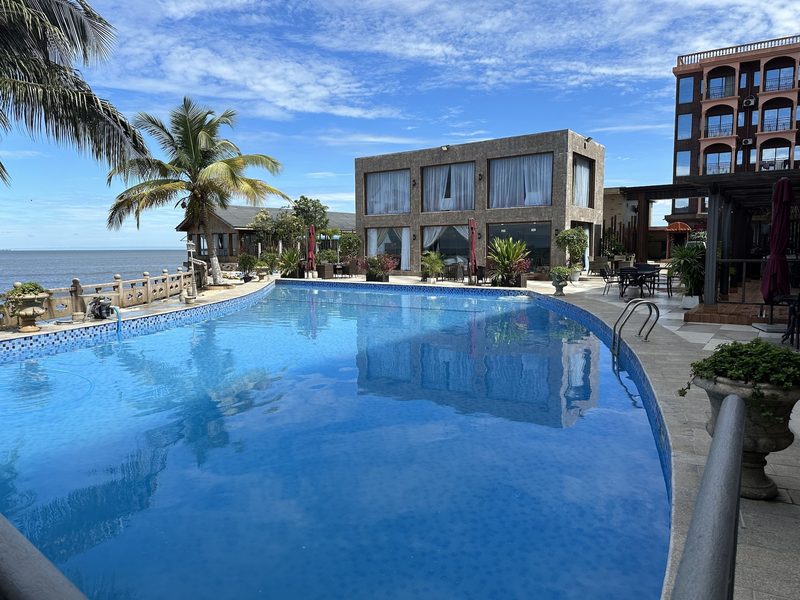
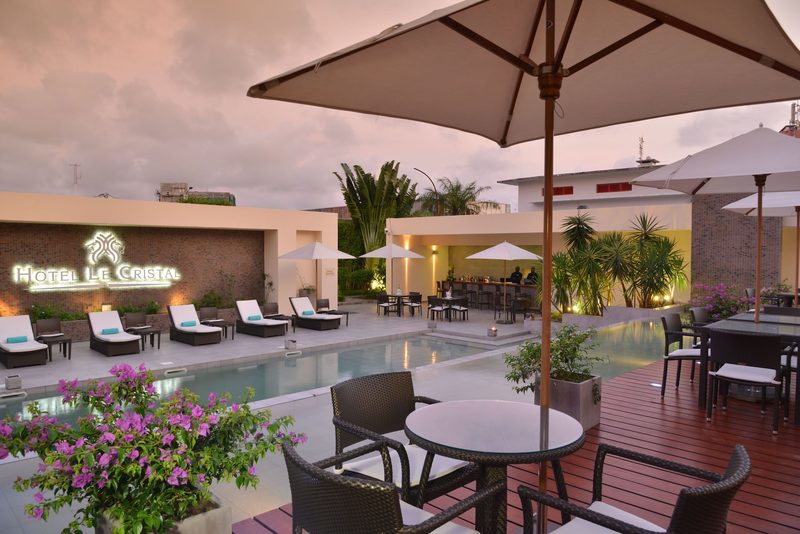
Where to Stay in Gabon in October
Hand-picked hotels across price tiers for October travellers.
Packing Checklist
Bookmark this page — your progress is saved between visits
Need the full list with shopping links?
Climate-specific gear, brand recommendations, and what to leave at home.
View Gabon Packing List →Essential Tips
Insider knowledge and common pitfalls to avoid
Insider Knowledge
The best food in Libreville is not in restaurants but in the maquis, the open-air roadside cookhouses found in neighbourhoods like Nzeng-Ayong and Akébé-Ville, where women serve nyembwe, chicken slow-cooked in palm nut sauce until the meat falls off the bone and the sauce turns thick, oily, and rust-coloured with a nutty richness that coats your mouth. The poulet braisé, chicken marinated in garlic and chili then charred over hardwood coals until the skin crackles and the smoke flavor penetrates the flesh, is the dish Gabonese expats dream about abroad. Go between 7 and 9 PM when everything is freshly cooked and the evening heat has dropped just enough to sit outside. Point at what looks good. The language barrier matters less than your willingness to eat.
October is atanga season, and if you see the dark purple, almost black, fruits piled at market stalls or sold by women along the road, buy some immediately. The African pear is eaten softened in hot water until the flesh turns creamy, then spread on grilled plantain or eaten straight with a sprinkle of salt. The flavour is hard to describe. Waxy, faintly resinous, rich in a way that sits somewhere between an avocado and a roasted chestnut, with a texture that clings to your teeth. Gabonese people are passionate about atanga in a way that borders on reverent, and asking a vendor to pick you a good one is a conversation starter that opens doors.
Internal flights in Gabon are operated by a small number of carriers with unpredictable schedules, and in October weather delays are common. Do not plan a tight connection between an internal flight from Lopé or Franceville and your international departure from Libreville. Build in at least a full day of buffer in the capital. Locals who fly regularly know to book the earliest morning departure, which has the highest chance of leaving on time before afternoon storms ground smaller aircraft.
Gabon's tap water is not safe to drink anywhere, including Libreville, and bottled water in the interior can be surprisingly hard to find once you leave paved roads. Bring a quality filtration bottle or purification tablets. In the forest parks, lodge staff will usually provide filtered or boiled water. But confirm before you arrive. The humidity makes you drink more than you expect. Dehydration symptoms mimic heat exhaustion in ways that sneak up on even experienced tropical travelers.
Avoid These Mistakes
Do not underestimate travel times in the interior. The distance from Libreville to Lopé is roughly 350 km (217 miles), which sounds like a four-hour drive. In October, on roads that range from potholed tarmac to ungraded laterite turned to clay by the rain, it can take eight to twelve hours by car. Many travelers arrive exhausted and behind schedule because they planned around dry-season road reports. Fly if you can, and if you drive, leave at dawn and expect the unexpected.
Do not assume Gabon works like East African safari destinations. There are no vast open savannas where you sit in a jeep and watch lions at a distance. Gabon's wildlife lives in dense equatorial forest where sightings are earned through patience, quiet walking, and trust in your guide. Travelers who arrive expecting a Big Five checklist experience leave disappointed. Those who come prepared for the slow, immersive intimacy of forest tracking, where the reward might be ten minutes watching a silverback gorilla twenty metres away through a screen of leaves, find it transformative.
Do not skip antimalarial medication because the trip is short or the hotel seems modern. Gabon is in the highest-risk malaria zone in the world, and October's rains supercharge mosquito populations across the entire country, including Libreville. The Anopheles mosquitoes that carry the parasite here bite from dusk to dawn, and a single night without prophylaxis or proper repellent is a genuine gamble. Consult a travel medicine specialist before departure and complete the full course.
Ready to plan your trip to Gabon?
Now that you've got the research covered, here's where to go next.
Explore More Activities in Gabon
Didn't see anything interesting yet?
Browse Viator's full catalog of tours, day trips, food experiences, and private guides in Gabon.
See All Gabon Tours on Viator