Things to Do in Gabon in May
May weather, activities, events & insider tips
Low Season · Budget Friendly
May Weather in Gabon
Long-run averages for May in Libreville
84°F (29°C)
High Temp
75°F (24°C)
Low Temp
9.7 inches (246 mm)
Rainfall
88%
Humidity
10
Sunny-Day UV
⚠ Heavy rainfall episodes in May can persist for multiple hours. They dump enough water to flood unpaved roads in national park interiors. This potentially strands vehicles and cuts access to remote camps for a full day. Confirm your operator has contingency plans. Verify they have satellite communication before committing to interior itineraries.
⚠ Mosquito density peaks in May due to standing water from accumulated rains. Malaria prophylaxis is essential. It is not optional. Travelers should apply DEET-based repellent to all exposed skin from late afternoon onward. This is when Anopheles mosquitoes are most active.
⚠ The combination of 88% humidity and temperatures around 29°C (84°F) creates genuine heat stress risk for travelers not acclimatized to equatorial conditions. Hydrate aggressively. Limit exertion during the midday hours between 11 AM and 3 PM. Recognize the early signs of heat exhaustion. These include headache, nausea, and confusion.
Making the most of May in Gabon? Browse tours and activities in Gabon on GetYourGuide.
Is May Right for You?
Weigh the advantages and considerations before booking
Advantages
- + May closes out the long rains. The forest puts on its best show. Every leaf in Gabon's canopy drips with moisture. Streams run high enough to paddle. Parks like Lopé and Loango burst with fruiting trees. Forest elephants, mandrills, and lowland gorillas crowd the clearings. They gather along riverbanks and bais. Wildlife concentrates near water in ways dry months never replicate.
- + Atanga season opens in May. The African plum arrives. Oblong, purple-skinned, oily flesh. Grill it over coals. The taste lands between avocado and roasted chestnut. Mont-Bouët market in Libreville stacks them in pyramids. Vendors char them on wire grills. The smoky-sweet smell drifts through Quartier Louis by late afternoon. This is Gabon's most culturally significant seasonal food. Most guidebooks miss it. Time your visit right.
- + Tourism infrastructure stays thin year-round. May drops visitor numbers further. That brings real advantages. Lodges in Loango and Lopé run near capacity in July and August. In May, you book without months of waiting. Primate tracking guides handle fewer groups. You get longer, less rushed encounters. The forest feels yours alone.
- + Libreville's coastal light in May turns silvery. Photographers chase this quality. Overcast breaks create diffused illumination. Shoot the pastel colonial buildings along Boulevard de l'Indépendance. Capture fishing pirogues at Quartier Glass waterfront. No harsh midday shadows. Just clean, even light.
Considerations
- − The humidity hits hard. Libreville averages 88% in May. Breathing feels like a warm towel pressed to your face. Nights stay around 24°C (75°F). Air barely moves unless you are coastal or indoors. Walk twenty minutes. Your shirt soaks through. Physical exertion punishes here.
- − Rain totals 246 mm (9.7 inches). You will lose hours to downpours. Some last multiple hours. Laterite roads in park interiors turn to slick clay. Remote camps become unreachable for days. Boat trips on the Ogooué River and coastal lagoons cancel often. Operators rarely warn you upfront.
- − Gabon ranks among sub-Saharan Africa's pricier destinations. The oil economy inflates everything. Imported groceries. Domestic flights. May brings modest lodge discounts. Not enough to offset costs. Internal transport, park fees, and limited air routes stay high. The CFA franc's euro peg keeps prices firm.
Short on time in May? See day trips around Gabon on GetYourGuide.
Best Activities in May
Top things to do during your visit
Loango National Park Coastal Wildlife Expeditions
Serious wildlife travelers come for Loango. May rewards those who embrace the wet. The park's geography shifts fast. Atlantic beach. Lagoon. Savanna. Dense equatorial forest. All within kilometers. Watch forest elephants on sand. Spot hippos in surf. Find western lowland gorillas in clearings. Sometimes in one day. High water pushes animals coastward onto savannas fringing Iguela Lagoon. Shorter grass. Longer sightlines. The trade-offs sting. Lagoon boat transfers turn rough. Forest humidity suffocates. Post-rain mosquitoes bite through single layers. Mornings before 8 AM stay driest. Coastal mist filters dawn light. Photos look retouched. They are not.
Booking Tip: Loango demands advance planning. Licensed park operators control all access. No independent entry. Book six to eight weeks ahead even in low season. Bed count inside the park stays small. Under fifty across all concessions. Check guided expedition options below.
Lopé National Park Primate Tracking
Lopé holds Gabon's only UNESCO World Heritage designation. It is the most accessible of thirteen national parks. Take the Transgabonais railway from Libreville. Six hours. Rattling. Air conditioning optional. Unbroken forest rolls past. The green eventually weighs on you. The park protects dense western lowland gorilla and mandrill populations. May's fruiting season pulls mandrill troops into clearings. Several hundred animals sometimes. Trackers position you along the Ogooué River. Forest humidity fogs camera lenses instantly. Decomposing leaf litter makes undergrowth slippery. Ankle-supporting boots are essential. The savanna-forest mosaic is unique in Central Africa. Rock engravings date back thousands of years. Guides know the locations. You must ask. The primates dominate most itineraries.
Booking Tip: Tracking permits are arranged through the park's concession operators and should be secured at least four weeks ahead. Groups are kept small, typically four to six people maximum, and morning departures around 6 AM are standard to catch primates feeding before the heat builds. See current options in the booking section below.
Pointe Denis Beach and Mangrove Excursions
Pointe Denis sits on a sand spit across the Gabon Estuary from Libreville, a twenty-minute motorboat ride that deposits you on a long, pale beach backed by coconut palms and mangrove channels. In May, the beach is functionally empty on weekdays. The few resort operations there cater to Libreville's expatriate community on weekends but go quiet Monday through Friday, leaving you kilometers of sand with only ghost crabs and the occasional fishing pirogue for company. The water is warm enough to wade comfortably, though the Atlantic here carries enough sediment from the estuary that visibility underwater is poor. This is a beach for walking, reading, and eating grilled barracuda under a palm-thatch shelter, not for snorkeling. The mangrove channels behind the beach are worth exploring by kayak or pirogue if your operator offers it. The root systems shelter juvenile fish, and the birdlife includes African fish eagles and palmnut vultures perched in the canopy overhead, their calls echoing off the water in the late-afternoon stillness.
Booking Tip: Boat transfers to Pointe Denis depart from Libreville's waterfront near the Quartier Glass area and run on loose schedules. Confirm departure times and return arrangements the day before, in May when afternoon weather can delay the crossing. Day trips are straightforward. Overnight stays require booking beach lodge accommodation ahead. See current excursion options in the booking section below.
Libreville Cultural and Market Walking Routes
Libreville sprawls along the estuary in a way that rewards exploring on foot only in certain quarters, and knowing which ones matters. The Mont-Bouët market is the sensory anchor. It is a roofed labyrinth where the smell of smoked fish laid out on palm fronds mixes with the sharp green scent of fresh piment and the warm, nutty haze of atanga being grilled at the perimeter stalls. In May, the market is at its most aromatic because the humidity traps everything at nose level. From Mont-Bouët, the waterfront walk through Quartier Glass passes the cathedral of Sainte-Marie, its modernist concrete shell a relic of the 1960s independence-era construction boom, and continues to the fishing beach where pirogues land the morning catch. Capitaine, sole, and barracuda are laid directly on the sand for buyers who arrive before 8 AM. The Musée National des Arts et Traditions, small but well-curated, houses Fang and Myènè masks and reliquary figures in a colonial-era building with no air conditioning, which in May's humidity means you will appreciate the visit more if you go early morning. The city's grid of wide boulevards was built for cars, not walkers, so carry water and expect exposed stretches with no shade between the interesting parts.
Booking Tip: Guided cultural walks with French-speaking local guides can be arranged through Libreville-based tour operators, typically with a day's notice. English-speaking guides exist but are less common. Confirm language when booking. Market visits are best before 10 AM when produce is freshest and the heat is still bearable. See current walking tour options in the booking section below.
Ogooué River Boat Journeys
The Ogooué is Gabon's central artery. Over 1,200 km (745 miles) of brown, muscular river drain most of the country's interior forest into the Atlantic. In May, the river runs high from months of accumulated rain, which makes navigation easier for the flat-bottomed pirogues that serve as the primary transport in the interior but also means the current is strong and the water the color of café au lait. Multi-day boat trips from Lambaréné, the riverside town where Albert Schweitzer built his hospital, now a museum worth a few hours, push upstream into forest corridors where the canopy closes overhead and the only sounds are the outboard motor, the chatter of grey parrots, and the occasional crash of something large moving through the undergrowth onshore. The humidity on the river is paradoxically less oppressive than in the forest because there is at least a breeze off the water, and the late-afternoon light on the Ogooué as it widens into its mid-course floodplain has a bronze, almost metallic quality that is difficult to photograph but impossible to forget. The practical limitation is that May's rain can turn a planned three-day itinerary into four or five if water levels make certain stretches impassable, so build slack into your schedule.
Booking Tip: River expeditions require a licensed boat operator familiar with the Ogooué's seasonal moods. Water levels change daily in May, and reading the current is a genuine skill. Book at least three weeks ahead and confirm that the itinerary includes flexibility for weather delays. Lambaréné is reachable by road from Libreville in roughly four hours. Check current river tour options in the booking section below.
Where to Stay in Gabon in May
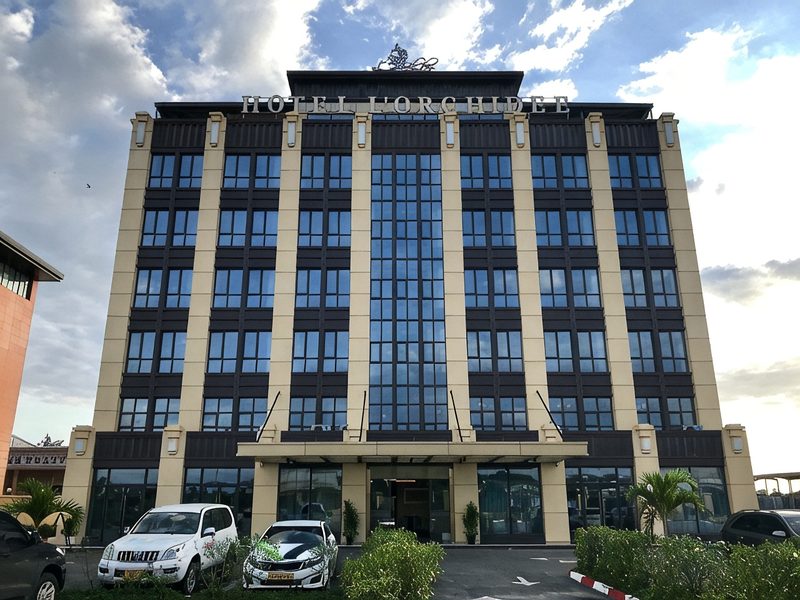
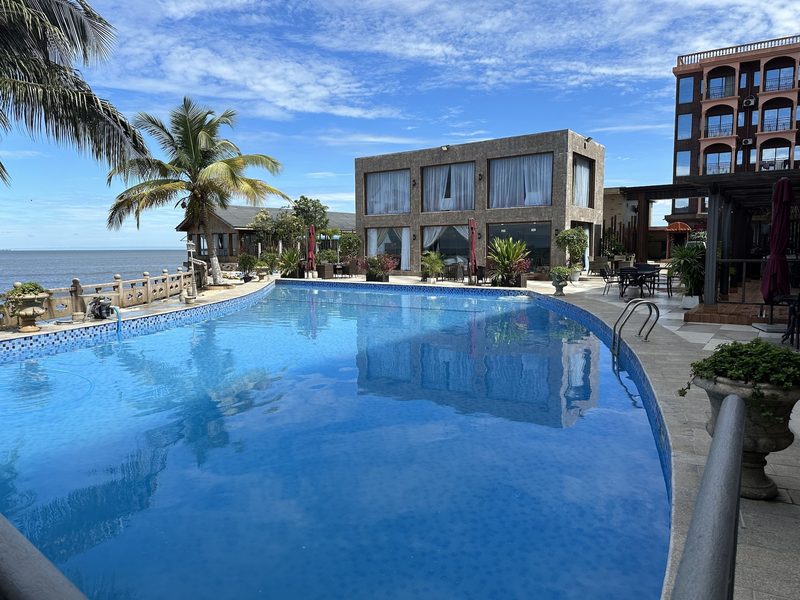
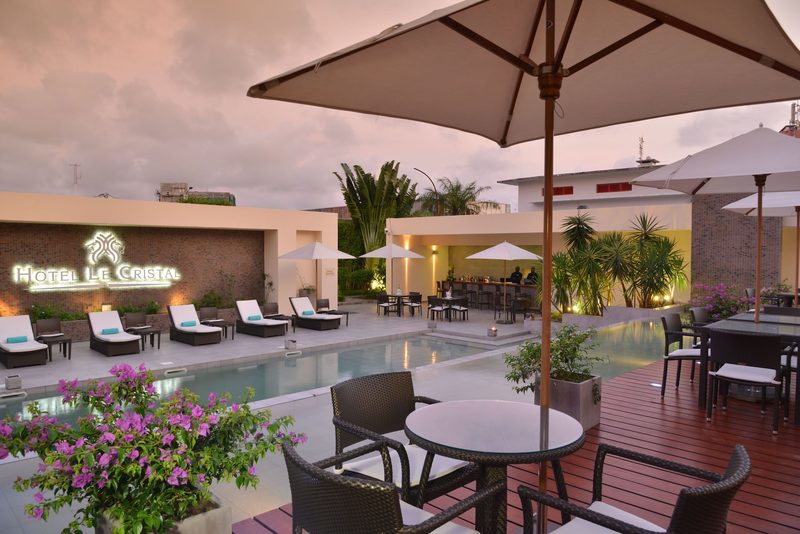
Hand-picked hotels across price tiers for May travellers.
Public Holidays in May
Dates that affect opening hours, transport and crowds
Labour Day
Observed nationwide as a public holiday.
Martyr's Day
Observed nationwide as a public holiday.
Whit Monday
Observed nationwide as a public holiday.
Labour Day
Observed nationwide as a public holiday.
Martyr's Day
Observed nationwide as a public holiday.
Packing Checklist
Bookmark this page — your progress is saved between visits
Need the full list with shopping links?
Climate-specific gear, brand recommendations, and what to leave at home.
View Gabon Packing List →Essential Tips
Insider knowledge and common pitfalls to avoid
Insider Knowledge
Take the Transgabonais railway from Libreville, technically from Owendo, the port suburb 15 km / 9.3 miles south, to Lopé. This is Gabon's most underappreciated experience, not merely transit. The train departs early evening and reaches Lopé around midnight or later, depending on schedule, and it is almost never on schedule. First-class offers reclining seats and functioning air conditioning most of the time. The view for the first two hours as the train climbs from coastal lowlands into interior forest justifies the ticket alone. Buy first-class at Owendo station the day before. Do not rely on online booking systems, which exist in theory but rarely in practice.
Find Libreville's best eating at informal grillades along Boulevard Triomphal Omar Bongo after dark. Rows of charcoal grills produce brochettes of chicken, beef, and capitaine fish. Vendors serve them with bâtons de manioc, steamed cassava sticks wrapped in banana leaves with a dense, slightly sour chew, plus piment sauce ranging from warm to painful. Point at what looks good. Hold up fingers for quantity. Eat standing up. The smoke, the heat from the coals, and the chatter of French and Fang around you deliver the real city. Hotel dining rooms cannot match this.
May brings peak atanga season. Stop if you see vendors grilling them at Mont-Bouët market or along roadside stalls in Libreville's residential neighborhoods. The purple-skinned fruit is eaten warm, dipped in salt, with a rich, buttery texture unlike anything in European or American produce aisles. Locals pair them with bâtons de manioc as a snack or light meal. Point to ask. The word atanga is universal across Gabon's languages and vendors understand. The fruit bruises easily and does not travel. This is why you have never seen it outside Central Africa.
Expect bureaucratic friction when moving around Gabon. Internal flights between Libreville and regional towns like Franceville, Port-Gentil, or Makokou operate on schedules that change without announcement. The only reliable confirmation method is visiting the airline office in person. Road travel outside the Libreville-to-Lambaréné corridor degrades quickly. Laterite roads in May turn to mud pits. A four-hour dry-season journey can take eight hours or become impassable. Build buffer days into any interior itinerary. Treat estimated travel times as aspirational, not factual.
Avoid These Mistakes
Never arrive without confirmed malaria prophylaxis, assuming you can sort it out locally. Gabon sits in the highest-risk zone for Plasmodium falciparum malaria. May's wet conditions push transmission rates among the highest of any month. Start antimalarials before departure. Bring enough for the full course. Do not skip doses because you feel fine. The parasite has an incubation period. Symptoms can appear weeks after infection. Libreville pharmacies stock some antimalarials but availability is unreliable. Outside the capital, options are essentially nonexistent.
Planning a tight itinerary with no buffer days. Gabon does not operate on predictable schedules. Flights reschedule. Boats wait for weather. Roads flood. Park access depends on conditions that change overnight in May. Travelers who book an international departure the morning after a scheduled return from Loango or Lopé are gambling with odds they do not understand. Build at least two full buffer days into any trip that goes beyond Libreville. Position them between your last activity and your international flight.
Expecting English to work as a default language. Gabon is francophone to its core. Outside the diplomatic quarter of Libreville and a handful of high-end lodges, English speakers are rare. Even in tourist-facing contexts, park guides, boat operators, and market vendors rely on French. Travelers who arrive with no French and no translation tools find themselves unable to negotiate transport. They cannot ask for directions. They miss safety briefings in national parks. Even basic conversational French transforms the experience. It moves you from frustrating isolation to genuine connection.
Ready to plan your trip to Gabon?
Now that you've got the research covered, here's where to go next.
Explore More Activities in Gabon
Didn't see anything interesting yet?
Browse Viator's full catalog of tours, day trips, food experiences, and private guides in Gabon.
See All Gabon Tours on Viator